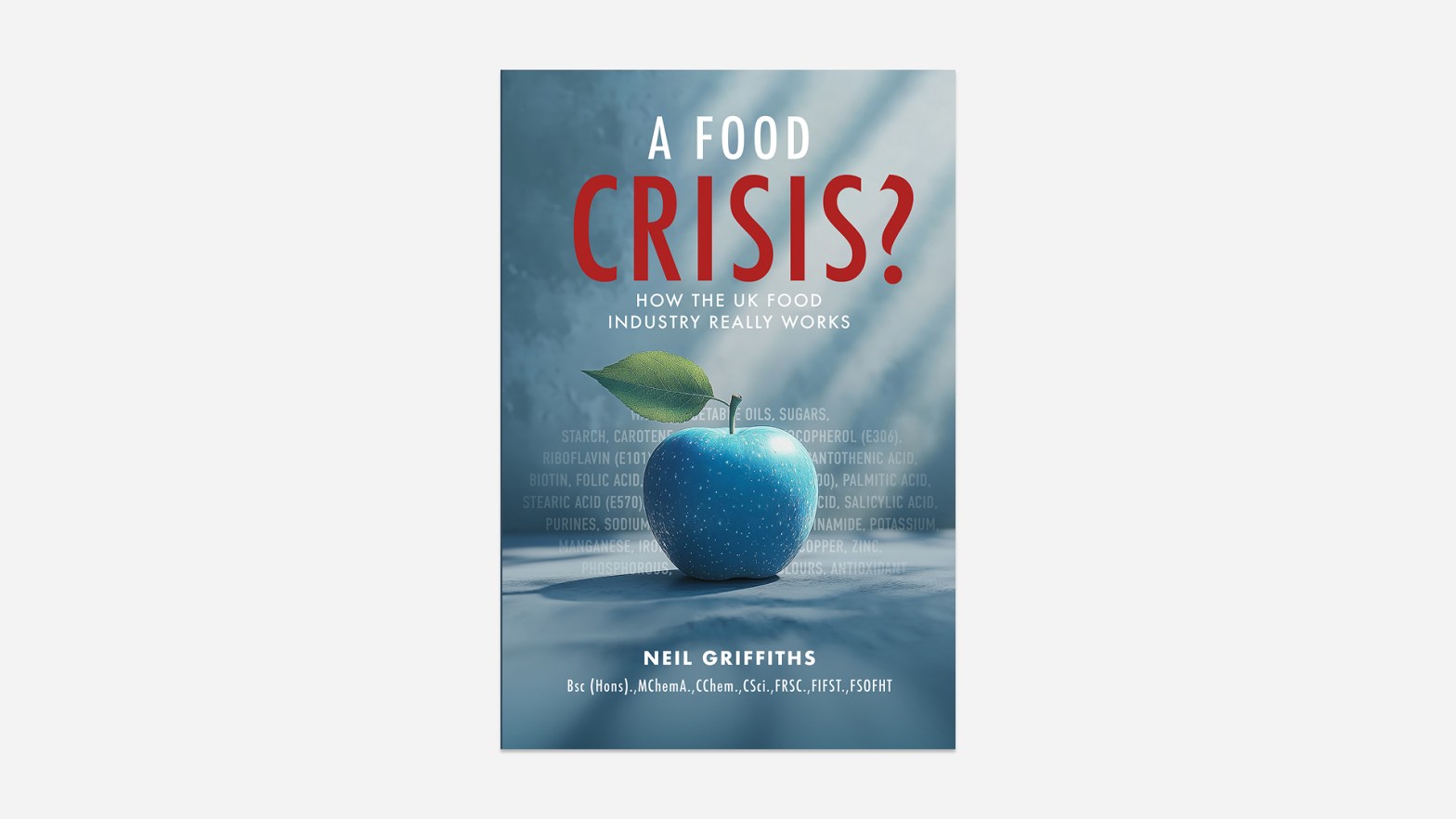
By Neil Griffiths Bsc (Hons).,MChemA.,CChem.,CSci.,FRSC.,FIFST.,FSOFHT
Director for Neil Griffiths Advisory Ltd
After 45 years working across the food industry—from science to enforcement—I’ve come to one conclusion:
There is too much certainty in what we’re told about food.
Much of what reaches consumers is shaped by:
- Commercial interests
- Policy agendas
- Selective interpretation of science
That doesn’t mean it’s wrong—but it does mean it’s often incomplete.
This book offers a clear, independent perspective on:
- What’s actually in our food
- How food safety really works
- Where common beliefs don’t match the evidence
Preface
The inspiration behind this book stems from two primary motivations. First, after years of enjoying writing, presenting, and lecturing, I finally have the time to explore the notion that everyone has a book within them. But perhaps more importantly, I feel compelled to address a gap in the literature surrounding food. In my experience, few authors in this field manage to present truly independent perspectives – untouched by personal bias, financial incentives, or conflicts of interest. It is my hope that this book can offer a fresh, realistic, and well-supported viewpoint on the food industry and the choices we face as consumers.
Each chapter addresses a distinct theme within the wider world of food – covering topics such as safety, regulation, nutrition, allergens, labelling, and the influence of vested interests. While the chapters are linked by common threads, each has been written to stand on its own. This means you can turn directly to the areas that interest you most, without feeling obliged to follow a set sequence. Whether your concern lies with a single issue or with the food system more broadly, I hope this approach will make the book both accessible and useful.
Having spent 45 years working within the food industry, I’ve witnessed many of its crises – real and imagined. However, this is not a tell-all exposé. Rather, this book is a candid reflection on my journey as a seasoned food professional and aims to shed light on the complexities of food production, regulation, and consumption. My goal is to share insights that will inform and empower you, the reader, with a deeper understanding of the food you eat, free from sensationalism or agendas.
I’ll admit that I delayed writing this book until I reached retirement, when I no longer have the concerns of upsetting employers, clients, or navigating conflicts of interest. Now, as someone who is financially independent, I can approach this subject with greater freedom, striving to offer you a balanced and objective perspective based on sound, verifiable information.
Of course, complete objectivity is an elusive goal. After four and a half decades in the food industry, some bias is inevitable. Yet I can assure you that my intention is to provide an honest, well-researched account of the food industry, steering clear of exaggeration or alarmism. My aim is not to demonise the food sector but to help you better navigate the overwhelming amount of information on food safety, legality, and nutrition.
Contents
Chapter 1: Setting the scene 14
Chapter 3: How are you protected? 28
Chapter 4: The politics and pressures 33
Chapter 5: Food poisoning and its prevention 42
The causes of food poisoning 45
Systems and procedures to ensure food safety 48
How do pathogens infect food and what are the implications? 49
Chapter 6: Can you rely on nutritional advice? 53
Legislation on food labelling 71
Minimum durability labelling 74
Chapter 8: Allergens and intolerance 84
Non-prepacked and prepacked for direct sale 89
How accurate is this information? 90
Precautionary labelling and cross-contamination 91
How do these chemicals get into food? 96
How Food Can Become Contaminated with Harmful Chemicals 101
Chemical contamination during food processing 101
Chemicals from food packaging 101
Contamination from the environment 102
Chemicals in drinking water 102
Health risks from chemical contamination 102
The history of food additives 104
What are food additives and why do we need them? 106
Evaluating the health risk of food additives 108
How do I know which additives are in my food? 109
 Neil Griffiths Publications Limited